

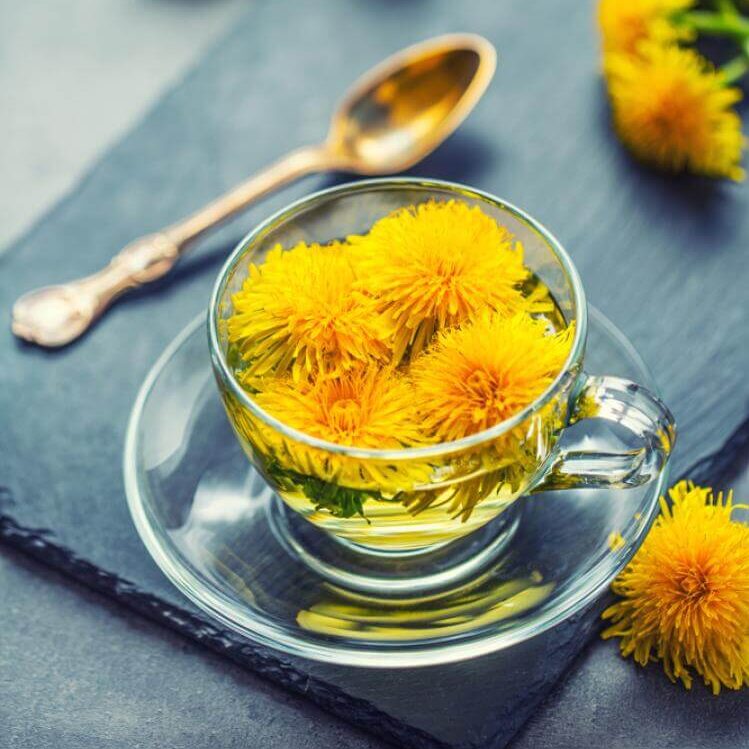
Often thought of as a backyard weed, dandelion is now being revered not only for its medicinal and complexion-promoting properties, but also as a tasty addition to a healthy diet.
The humble dandelion is believed to have originated in the central Asian region. It is a hardy plant that grows vigorously in fields, meadows and lawns, and produces sweet-smelling golden flowers from spring to early autumn. Both the root and the leaves can be utilised for culinary purposes. In general, roots are harvested in summer for medicinal uses or autumn for drying and grinding into a healthy coffee substitute.
BENEFITS
Dandelion’s nutrition profile is as extensive as it is impressive. The little yellow flower is a rich source of essential vitamins, minerals and nutrients, such as beta-carotene – a powerful antioxidant found also in carrots and apricots – fibre, potassium, phosphorus, calcium, vitamin C, magnesium, zinc and iron, as well as B complex vitamins, organic sodium, and even vitamin D.
The delicate flower also boasts a long list of health benefits.
- Digestion – Working as a mild laxative, dandelion promotes digestion, stimulates appetite and balances beneficial bacteria in the intestine.
- Kidney – Dandelion works as a diuretic to assist the kidneys in clearing out waste, salt and excess water.
- Liver – Dandelion has been shown to improve liver function by removing toxins and re-establishing hydration and electrolyte balance.
- Cancer – Dandelion is touted as being helpful in the fight against cancer, slowing its growth and preventing the spread of cancerous cells. Its leaves are especially rich in the antioxidants and phytonutrients that work to combat the disease.
- Antioxidants – Both the roots and leaves are rich in antioxidants that prevent free-radical damage to cells and DNA, slowing down the ageing process in cells.
- High blood pressure – As a diuretic, dandelion increases urination, which then lowers blood pressure.
- Clear skin – According to a 2009 study by the University of Maryland Medical Center, dandelion root is a natural detoxification agent that supports liver function. The liver is responsible for purifying blood and removing toxins from the body, so if it isn’t working properly, these toxins can build up and cause infection, or get secreted through the skin instead of the digestive system, which leads to acne.
- Inflammation – Dandelion contains essential fatty acids and phytonutrients that reduce inflammation throughout the body, assisting with pain, swelling and arthritic conditions.
SOURCES AND DOSAGE
Dandelion leaves and roots can be found fresh or dried in a variety of forms, including tinctures, liquid extract, teas, tablets and capsules. For digestive benefits, drink a cup of dandelion tea two to three times a day.
Try growing your own in your backyard or planters. It is not recommended to collect them from the wild as they may have been contaminated with pesticides, fertilisers and other chemicals. Dandelion leaves can also be found fresh in some health food markets. Look for succulent, soft young leaf tops. Fresh leaves are superior in flavour and mineral content. Store in plastic bags in the fridge.
Disclaimer: Dandelion is generally considered safe; however, some people may have allergic reactions. If you are pregnant, nursing, taking prescription drugs, or allergic to ragweed, chrysanthemum, marigold, chamomile, yarrow, or daisy, consult a health care professional before adding it to your diet.