Articles by Michelle Fraser
Food stories
Elixir of life
Whether you call it the Tea of Immortality, Bubbly Juice, or Fungus tea, kombucha is a tangy and lightly-sparkling drink worth savouring on a...

Nourish magazine issue 76
Buy Now
Whether you call it the Tea of Immortality, Bubbly Juice, or Fungus tea, kombucha is a tangy and lightly-sparkling drink worth savouring on a...
In the fast-paced and demanding world we live in, finding moments of stillness and calm can be challenging. In an attempt to find a little peace...
If you want to get your gut in order, Dr Will Bulsiewicz is the expert to help you sort out fact from fiction. This is the gut-health cheat sheet...
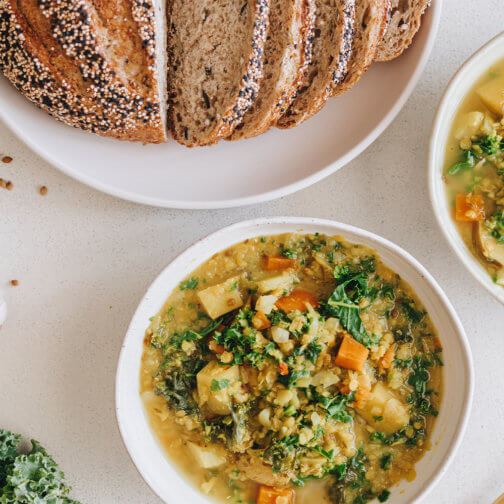
This filling, fragrant soup is bursting with fibre and makes for a perfect lunch. You can leave it chunky or blend until smooth – whatever you...
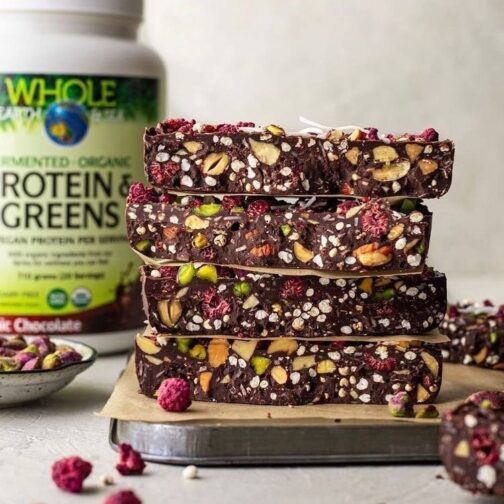
Nuts, raspberries, grains, and coconut shreds combine with a rich plant-based melted chocolate mixture to create this wholesome version of rocky...
Colourful and nutritious, this hearty Moroccan-style salad combines spiced roast veggies, chickpeas, massaged kale and plump sultanas with an...
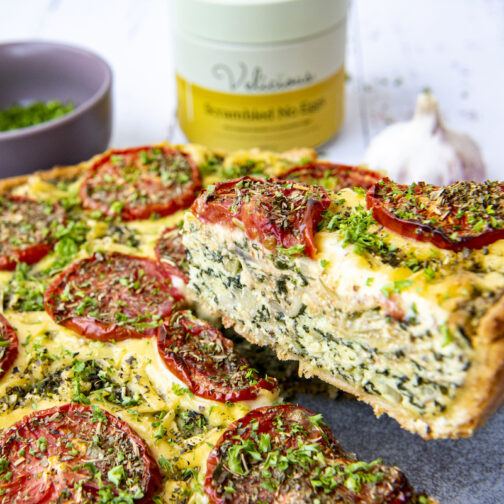
This quiche recipe is easy to prepare ahead of time and reheat before serving – perfect for entertaining. We’ve listed it as a lunch or...
Easy, comforting, and nutritious, this dish is like a hug for your tummy on the days when you’re feeling a little lower in energy and need a...
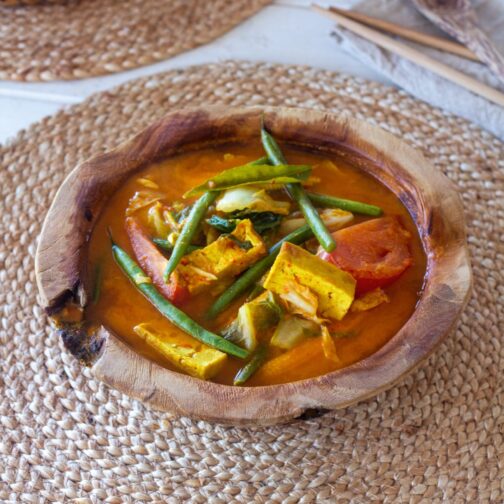
This sensational curry is zinging with flavours, colours and textures. Serve with wholegrain rice for a hearty, wholesome and ultra-satisfying...
Creamy, fresh and punchy, this avocado pasta sauce is loaded with vibrant greens and healthy fats.



Spraying sheets and pillows with calming scents can be a wonderful aid to slumber
The next time you go for a walk, discover the wonder of the everyday world around you
A skincare routine can be a way to nourish yourself inside and out
When the clouds converge, practise gratitude for the smallest of glimmers, and learn to dance in the rain.
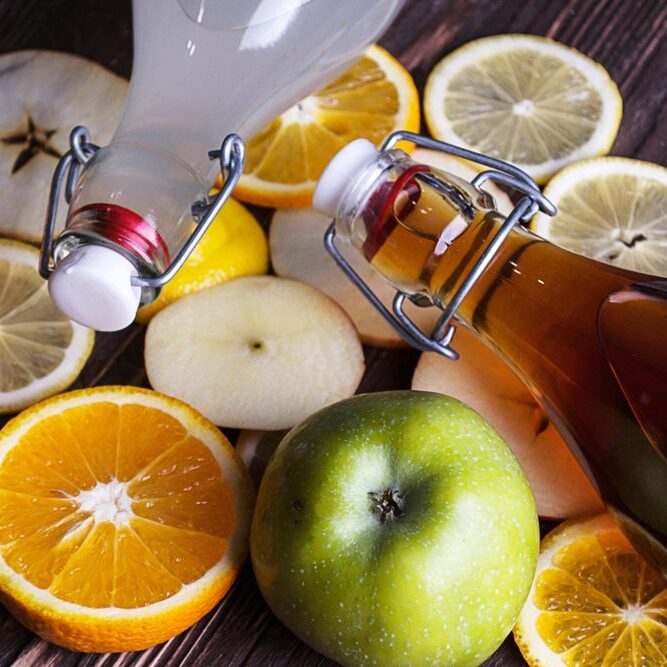
Whether you call it the Tea of Immortality, Bubbly Juice, or Fungus tea, kombucha is a tangy and lightly-sparkling drink worth savouring on a regular basis.
Lightly effervescent, energising, and refreshing, kombucha has found a home in fridges around Australia. Made with sweetened tea that is fermented using a SCOBY (Symbiotic Culture Of Bacteria and Yeast), kombucha is renowned for its health benefits and refreshing taste. Despite its age and history, only recently has kombucha become one of western society’s fastest-growing health trends.
The list of claimed benefits associated with kombucha is quite extensive, ranging from combating cancer to preventing wrinkles, and from lowering cholesterol to strengthening kidney function. Not only does this super beverage contain all the health benefits associated with tea, it is laden with a hefty dose of probiotics which aids digestion and promotes good gut health.
It has earned itself a well-deserved place on shop shelves, cafe and bar menus alike, and refill stations can often be found at bulk-food and health stores. Meanwhile, for kitchen creatives and low-waste lovers, there’s the option to brew your own kombucha at home. Starter kits are available to buy online or, alternatively, you can nab a SCOBY from a kombucha-growing pal or make your own.
To make your own SCOBY, buy a bottle of unflavoured kombucha, preferably from a local brewer, pour about 250ml into a mason jar, cover it tightly with a clean tea towel and leave it out of direct sunlight at room temperature. A film will start to form over the liquid which will grow into a thick gelatinous layer.
When your SCOBY is ready (around 7mm thick), it is time to make your sweet tea base. A stone or glass vessel with a tap is ideal to brew in. Steep black or green tea leaves in boiling water to your desired strength then strain, add between ¼ and ½ cup sugar per litre (let your sweet tooth be the judge), mix well and leave to cool completely. Add your SCOBY as well as 200mls of the liquid it came/grew in. Cover the vessel with a tea towel and secure with a rubber band.
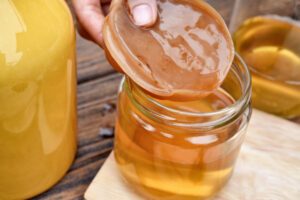
Image: Artfully Photographer on Shutterstock
Your base brew should be ready in about a week. Check daily until you’re happy with the level of ‘tang’ (if it does go too far and tastes like vinegar, you can always use it as a salad dressing). Pour your kombucha into recyclable bottles leaving 10% of the liquid and the SCOBY for the next brew. Add flavourings of your choice to the bottles (whole or crushed fruits, herbs and spices) and chill in the fridge. You will need to release any built-up gas in the bottles daily.
Kombucha is best consumed within two weeks of bottling, as it continues to sour during the fermentation process. The very low level of alcohol also increases during this time. Any sign of white or colourful fuzzy mould spots means it has gone bad and could become a serious health risk. Always rinse your SCOBY between brews, and when it forms another layer, share your SCOBY with your health-conscious friends.
Lead image: Olena 1 on Shutterstock
In the fast-paced and demanding world we live in, finding moments of stillness and calm can be challenging. In an attempt to find a little peace...
If you want to get your gut in order, Dr Will Bulsiewicz is the expert to help you sort out fact from fiction. This is the gut-health cheat sheet...
Spraying sheets and pillows with calming scents can be a wonderful aid to slumber
The next time you go for a walk, discover the wonder of the everyday world around you
A skincare routine can be a way to nourish yourself inside and out
When the clouds converge, practise gratitude for the smallest of glimmers, and learn to dance in the rain.